Thursday, June 2, 2011
Tessssssst today
So today we took a test and it was pretty easy. I got the extra credit points instead of putting Etruscan like some people. (:

Wednesday, June 1, 2011
Rome Test review
Today we went over what was going to be on the test. How the Roman Empire was split into two different parts: The Eastern and Western Rome. We also saw how gas prices rose over the summer when Mr. Schick was a kid. How cars were lined up bumper to bumper just to get 10 gallons of gas.
Friday, May 27, 2011
Rome split in two
Rome was split into 2 parts. The Eastern and Western part . Rome was slowly falling to pieces because it was too big to handle. There weren't enough guards to protect the people. This means that people could steal things from villagers without being caught. This causes a lot of people to be afraid of traveling and selling their goods. Another way Rome was falling to pieces was because it didn't have any goods to trade. None of the surrounding countries wanted what they were selling which was: cheese, glass, and wine.
Wednesday, May 25, 2011
Rome's Empire declined and fell ):
Terms:
Diocletian- he was the Roman emperor between 284–305. In 286 he divided the empire between himself in the east and Maximian in the west.
Constantine-Roman emperor; known as Constantine the Great. He was the first Roman emperor to be converted to Christianity. In 330, he moved the capital to Byzantium, renaming it Constantinople
Eastern Empire-The eastern part of the Roman Empire, after its division in ad 395
Western Empire-The western part of the Roman Empire, after its division in ad 395.
Edict of Milan-was a letter signed by emperors Constantine I and Licinius that proclaimed religious toleration in the Roman Empire. The letter was issued in AD 313, shortly after the conclusion of the Diocletianic Persecution.
Constantinople-The former name of Istanbul, from ad 330 until the capture of the city by the Turks in 1453.
Germanic peoples-The Germanic peoples (also called Teutonic in older literature) are a historical ethno-linguistic group, originating in Northern Europe and identified by their use of the Indo-European Germanic languages.
Huns-A member of a warlike Asiatic nomadic people who ravaged Europe in the 4th–5th centuries.
Attila-king of the Huns 434–453. He ravaged vast areas before being defeated by the joint forces of the Roman army and the Visigoths at Châlons in 451.
Leo I-Italian pope from 440 to 461 who extended the authority of the papacy to the west and persuaded Attila not to attack Rome (440-461).
Questions!:
1) What economic problems did the empire face?
-Rome only made things other countries didn't need and weren't interested in.
-The food supply became scarce
-Gold and silver were drained away to buy things from other countries.
2) By the 3rd century, how had Rome's army changed since the days of the republic?
3) (a) What important religious change did Constantine bring about in the empire?
- he accepted Christians(?)
(b) What political change did he bring about?
-He built a new capital, one with more advantages.
4) (a) Why did Germanic tribes invade the empire in the 400
-They wanted Rome's treasure
(b) Why was the empire unable to drive the invaders
5) (a)List 3 reasons why Diocletian should be considered a successful emperor.
(b) List 3 reasons why he might be considered a failure.
Diocletian- he was the Roman emperor between 284–305. In 286 he divided the empire between himself in the east and Maximian in the west.
Constantine-Roman emperor; known as Constantine the Great. He was the first Roman emperor to be converted to Christianity. In 330, he moved the capital to Byzantium, renaming it Constantinople
Eastern Empire-The eastern part of the Roman Empire, after its division in ad 395
Western Empire-The western part of the Roman Empire, after its division in ad 395.
Edict of Milan-was a letter signed by emperors Constantine I and Licinius that proclaimed religious toleration in the Roman Empire. The letter was issued in AD 313, shortly after the conclusion of the Diocletianic Persecution.
Constantinople-The former name of Istanbul, from ad 330 until the capture of the city by the Turks in 1453.
Germanic peoples-The Germanic peoples (also called Teutonic in older literature) are a historical ethno-linguistic group, originating in Northern Europe and identified by their use of the Indo-European Germanic languages.
Huns-A member of a warlike Asiatic nomadic people who ravaged Europe in the 4th–5th centuries.
2. A reckless or uncivilized destroyer of something.
Leo I-Italian pope from 440 to 461 who extended the authority of the papacy to the west and persuaded Attila not to attack Rome (440-461).
Questions!:
1) What economic problems did the empire face?
-Rome only made things other countries didn't need and weren't interested in.
-The food supply became scarce
-Gold and silver were drained away to buy things from other countries.
2) By the 3rd century, how had Rome's army changed since the days of the republic?
3) (a) What important religious change did Constantine bring about in the empire?
- he accepted Christians(?)
(b) What political change did he bring about?
-He built a new capital, one with more advantages.
4) (a) Why did Germanic tribes invade the empire in the 400
-They wanted Rome's treasure
(b) Why was the empire unable to drive the invaders
5) (a)List 3 reasons why Diocletian should be considered a successful emperor.
(b) List 3 reasons why he might be considered a failure.
Wednesday, May 18, 2011
Study Guide:
Emperors in order?
-Octavius/ Augustus
-Tiberius
-Caligula
-Claudius
What is the republic made of?
-Democracy, Aristocracy, Monarchy
Which emperor conquered Britain?
-Claudius
Zealots were the group of Jews that rebelled.
Most inflectional people in history?
-Muhammed
-Sir Issac Newton
-Jesus
-Buddah
-Confucius
-St. Paul of Tarus
Roman Empire (Part 2)
Persecution of Christians:
-Romans were harsh toward those who wouldn't worship the emperor
-Often used for "entertainment" purposes in the Colosseum
-Despite the oppression, Christianity grew quickly. (10% of people in the empire)
What to study for the test tomorrow:
-4 emperors
-Persecution of Jesus and Paul
Maybe-possible Essay?
-What's the diff. between Roman Republic and the Roman Empire
(Democracy, Monarchy, Aristocracy)
Monday, May 16, 2011
Notes
- Octavian
- Got title Caesar Augustus
- 1st empire in the Roman Empire
- Began the Pax Romana
- Built roads, aqueducts (bringing water from places)
- Set up civil service(government) to take care of roads, the grain supply, even a postal service
- Jesus was born at the time
- Augustus died at age 76 by natural causes
- Tiberius
- Time of Jesus and Paul
- Augustus’ stepson and adopted adopted son
- Tiberius succeeded Octavian
- Didn’t get along with Senate
- Senate- “men fit to be slaves”
- Didn’t want to be emperor
- Germanicus- ally
- Germanicus started to get powerful and looked like he was going to take over
- Tiberius had him killed
- Died at age 77 by natural causes (probably)
- Jesus
- Roman citizen and a Jew
- Began ministry at 30
- Preached to the poor, reached out to outsiders
- Wasn’t popular when alive
- A lot of things he said made people nervous, thought he was going to overtake the kingdom
- Pontius Pilate, governor of the Roman province of Judaea, sentenced him to death
- Paul
- He was riding his horse
- Got kicked off and got blind
- The first thing he saw was Jesus
- He started to tell Jesus’ story
- People wrote letters to him asking questions
- He wrote back to him
- Letters in New Testament
- Jesus became known because of him
- Most influential persons in history
- 1. Muhammad
- 2. Sir Isaac Newton
- 3. Jesus
- 4. Buddha
- 5. Confucius
- 6. St. Paul of Tarsus
- Caligula
- Germanicus’ son
- Tiberius’ adopted grandson and great-nephew
- Started off well
- Began to fight with Senate
- Claimed to be a god
- Had statues of him everywhere, like in a Jewish temple
- Slept with other men’s wives and bragged about it
- Spent too much money
- Tried to make his horse a consul and a priest
- Critics said all this
- Assassinated by his own aides at age 28
- Claudius
- Ostracized by his family because of his disabilities
- Had limp, slight deafness, possible speech impediment
- Conquered Britain, no one else could
- Built roads, canals, and aqueducts
- Renovated the Circus Maximus
- Had an awful marriage to Messalina
- She was unfaithful, plotted to seize power for her lover Silius through a coup
- Claudius had wife and her lover killed
- Religious troubles
- Christianity and Judaism: monotheistic (one God)
- Romans had many gods, plus at times the emperor was viewed as a god
- A group of Jews called the Zealots tried to rebel, but Roman troops put them down and burned their temple (except for one wall)
- The Western Wall is considered holiest site for Jews
Thursday, May 12, 2011
Roman Empire (day 2!)
- Tiberius could do whatever he wanted with Rome and no one could stop him. :(
- Tiberius lies to sijanus (Spelling unknown because Mr. Schick didn't look it up.!) by telling him he will succeed him but is actually leading him to his own death.
- Jesus was crucified for being a disturbance in the crowd and was put to death by the Roman law.
Roman Empire
- Octavius (Julius Caesar's stepson) took over and became emperor.
- Tiberius, Caligula, and Claudius were the 3 heirs of Octavius.
- Rome owned tons of land around the Mediterranean Sea
- Tiberius was the heir who succeeded Octavian
- Tiberius had no idea how to run an empire and was very indecisive.
- Public baths were offered to the rich and the poor.
Monday, May 9, 2011
"What's wrong with your face!?"
Today we went over our Greece and Rome tests. We marked up the test sheet so we can study for the final, which will be here soon :(
Friday, May 6, 2011
Finishing projects on Rome
Pax Roma was a time of peace.
Circus Maxims:
-was a huge stadium like structure where people fought.
-Chariot racing, gladiators, and wild animal hunts took place here
-held 5 times the amount of people than the Ravens stadium.
Etruscans:
-They were from Etruria and they were known as Tyrrhenians by the Greeks.
-Moved from the Asia Minor
-They built cities and were orriginally ruled by a wealthy king.
-their homes were made with mud bricks.
Tiber River:
-3rd longest rive in Italy.
Traquin the Proud:
-he was the 7th and last king of Rome
-The people of Rome overthrew him. (Was the last king they had)
-He was sent into exile.
Thursday, May 5, 2011
Rome Review
Patricians:
-Best treated families because they were upper class
Plebeians:
-Were the lower class
-They couldn't vote
-If you weren't rich you were a plebeian
Had 3 different governments:
-democracy
-aristocracy
-monarchy
Punic Wars:
-Carthage invaded Rome from the opposite side that they had expected.
-Hannibal was the Carthage leaders
Julius Caesar
-In 60 BC Caesar, Crassus, and Pompey started out.
-came from a family of Patrician rank.
-Born in Rome
-People had thought he was becoming too powerful so they had him assassinated.
-He was killed on March 15,44 BC and was stabbed 23 times in his chest.
Crassus:
-was a Roman general
-was considered one of the most wealthiest man in the history.
-He was killed in Syria
Pompey:
-He started out as Caesar's friend. And then Caesar and him became enemies.
-Caesar eventually defeated him
-He had married Caesar's daughter
Octavian:
-Was born in Rome on September, 23rd
Cicero:
-Was killed and he was the senate's greatest orator
-Cicero didn't plot to kill Caesar but talked in defense of republic and was against absolute rule.
What is a triumvirate?
- A group of (3) people
Battle of Actium:
-The battle was between Octavian and the forces of Antony and Cleopatra VII
-Octavian ended up winning and was giving the title Augustus
-He had fell in love with Cleopatra
Friday, April 29, 2011
Rome rome rome rome rome rome

Julias Caesar

Tiber River

Cleopatra

(Hannibal)

Rome Map
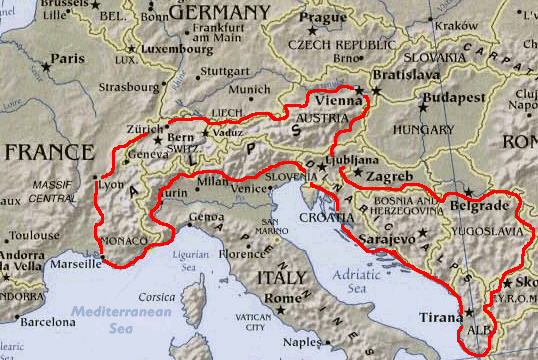
Alps Mountains

Calvary

Patricians

Octavian

Pompey
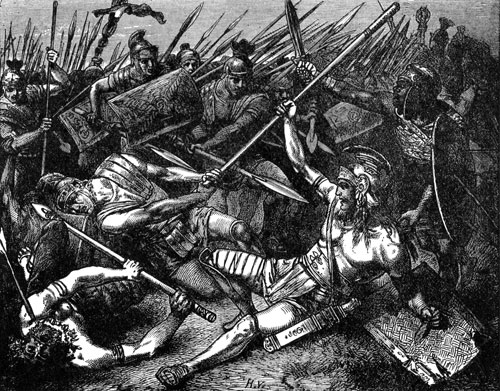
Punic War
Thursday, April 28, 2011
"Carthage, Carthage two by four, cant fit through the kitchen door."
1) In 451 BC, the laws of Rome were written down and posted in the Forum. This law code was"
-The Twelve Tables
2) The main reason the laws were posted in such a public place was because:
-Patricians had been interpreting the laws to suit themselves.
-Plebeians needed to know that all free citizens had a right to the protection of the law.
-Public posting meant transparency of the law.
3)
4)
5) By 275 BC the roman government was a blend of 3 types of governments. Which part resembled an aristocracy?
- The senate
Wednesday, April 27, 2011
Rome Vocab (Continued)
Vocab:
1) Gravitas- Strength and loyalty
2) Pater familias- The influence on a family. (The father)
3) Toga- A loose, outer garment that was worn by citizens.
4) patrician- Specially privileged family. (The upper class people)
5) plebeian- They had some power but not all the power.
6) Legion- an army of 4,000 to 6,000. It was a military formation.
7) Century- a subgroup within the legion. Holding about 80 people.
Tuesday, April 26, 2011
Rome
1) How did geography help Rome?
- The good thing about the location of Rome was that it was by the water. They controlled the Mediterranean Sea. Rome was located on a peninsula and its location was important to its success.
-It was also in the middle of everything. (Trading purposes)
2) Why was each of the groups important to Rome (Latins, Greeks, Etruscans)
Latins:
-Latins just wandered throughout Rome. They lived simple lives and wasn't considered a city.
-were the first ones who had set up in Rome.
The Greeks:
-Established 50 colonies on the southern part of Italy.
The Etruscans:
-The Etruscans were civilized people and had their own writing system.
3) What were the values of early Roman society?
-Rome was once ruled by a king but they became a republic This meant everyone got to help choose their new leader.
-Strength, Loyalty, and family.
4) (a.) How was the Roman household organized?
-The oldest father had rights to everything. He owned all the land, and the house itself.
(b.) What freedoms did women have in the family and the society?
-Women were in charge of running the daily family life and the household.
-Women did not have the right to vote.
5) How was the army linked to Roman society?
-All men were forced to serve in the army.
-You had to, it was apart of your duty.
Vocabulary:
1) Republic- a political unit that is not ruled by a monarch, but was where citizens got the right to choose their leaders.
2) Plebeians- Were citizens who had many rights, including the rights to vote. However they were far less powerful than the patricians.
3) Toga- was an uncomfortable clothing the people of Rome wore.
Monday, April 18, 2011
Greek Test Review
Format:
20-30 multiple choice
1 essay
Some possible questions:
Olympics:
What was not one of the sports in the Olympics?
In 776 what was born? (Olympics)
Army:
What was the way they walked into battle called...Phalanks
Who were the soldiers of the Greek army called? Hoplites
Who did the Greeks fight more than any other....Persians
Which of the following that wasn't a battle that the Greeks fought the Persians?
-Gagamuela
-Marathon
-Thermopoly
-Issus
-Peloponnese war (WASN'T ONE)
Peloponnese war:
Why did it begin? (Because Athens was becoming to powerful)
Who was the war fought between? (Athens and Sparta)
Who won the war (Sparta)
In 508 B.C. the people rose up against their rulers in Athens.
Sparta:
At what age were kids taken away from heir parents? (7)
What kind of fighters were the Spartans? (Land fighters)
Homer:
What did he write? (Iliad and the Odyssey)
Odyssey was about what? (Odysseus's journey)
The Iliad was the story of the Trojan war.
Architecture:
What were the 3 collums?
-Doric
-Ionic
-Corinthian
Parthenon:
What age was it built in? (Golden Age)
Pericles:
What 3 goals did he have?
-He wanted to make Athens the greatest in Greece
-Strengthen Greece Democracy
-Expand the empire (went after Persia)
Agora is the place where discussions and voting took place.
Art and Pottery:
What was it used for? (Storage)
Was pottery looked up to? ( No)
Math and Science:
What did Euclid invent? (Geometry)
Philosophers:
Who were the 3 main Philosopher?
-Socrates (Was charged with corrupted the youth of Athens and disrespecting the Gods, punishment was by poisoning *Death*) (Most famous statement was The unexamined life is not worth living)
-Plato ( Platos cave)
-Aristotle (Tutored Alexander)
Thursday, April 14, 2011
Alexander the Great
Alexander Facts:
-Alexander was the king of Macedon at age 20.
-His father, Phillip the 2nd, had died and he had to take over.
-The first thing that happens is that people start to rebel and he forms and army.
-He killed anyone who was rebelling against him.
-Alexander tried to ride a horse name,Bucephahus, which everyone had thought couldn't be ridden but he proved them wrong.
The battle of Gaugamela:
-40,000 against 250,000. Outnumbered 1/6
-BATTLE CAMELS!
-Darius had retreated, literally running over his own people to escape.
-Alexander at age 25 was king of all
-Was welcomed into Persia.
-Went to India and realized it wasn't turning out well
-Bucephahus died in the battle against India.
-Alexander was hit with an arrow but recovered.
Wednesday, April 6, 2011
Projects on Greece
Sparta:
83%
When would the kids get to see their mothers again?
Did the kids train with their dads?
How many people lived in Sparta.
Peloponnese war:
How many forts did Athens own?
So who really started the Archidmian War?
Who won?
90%
Ancient Greek Army: Alyssa
The spears were made out of ash?
How did they create the swords?
Did it matter what design you had on your shield? Were there any symbols?
98%
Greek Theater - 100%
Who were some of the famous actors?
When did theater really start?
Who was the first actor
Alexander's Youth- Clarke
Do you think he was "God like"?
If he hadn't had died what do you think what would have happened?
Do you think it was his way with the people that got him all his success?
95%
Homer- Taylor
Did the people ever kill the prince?
Did Penelope ever find out about the witch goddess?
Odyssey returned home okay?
86%
Helenic Age- Billy
What was the hellenic age?
What was the most important thing that happened during this time?
Why was it called the hellenic age?
60%
Math and Science- Clark
Who was the one who came up with the idea about the moon?
Did they believe in the full moon things?
Math and science was founded when?
83%
Pottery: Catherine
How much would Greek pottery cost today?
How long did it take to make the pots?
Who was one of the greatest pottery makers?
87%
Poetry- Gracie
How were poems invented?
What was the most famous Greek poem?
Poems would be used in speeches?
90%
The Trial of Socrates- Christ Cream
Socrates was accused because he didn't recognized the Gods?
So he was stubborn and wouldn't admit his wrong?
He was executed because he didn't defend himself?
Do you think he should have been saved?
100%
Olympics- Emma
Who was the first real champions?
Did they have saddles and bridles for racing or was it bareback?
How would the disks be measured?
90%
Greek Structure-Andrew
How long were the buildings usually up for?
Are there any structures made the same way today?
Did the straw and mud roofs keep out the rain?
86%
Peloponnesean war-Cole
What stage was the bloodiest of all 3?
Who won the most of the 3 stages?
Who took over after Pericles? And how'd he die?
90%
Famous philosophers- Katie
Did he write any famous plays?
What is the cave and how'd it have to do with television?
What did Aristotle invent?
Did people believe him when he started to test the idea of everything was made up of 5 elements?
95%
83%
When would the kids get to see their mothers again?
Did the kids train with their dads?
How many people lived in Sparta.
Peloponnese war:
How many forts did Athens own?
So who really started the Archidmian War?
Who won?
90%
Ancient Greek Army: Alyssa
The spears were made out of ash?
How did they create the swords?
Did it matter what design you had on your shield? Were there any symbols?
98%
Greek Theater - 100%
Who were some of the famous actors?
When did theater really start?
Who was the first actor
Alexander's Youth- Clarke
Do you think he was "God like"?
If he hadn't had died what do you think what would have happened?
Do you think it was his way with the people that got him all his success?
95%
Homer- Taylor
Did the people ever kill the prince?
Did Penelope ever find out about the witch goddess?
Odyssey returned home okay?
86%
Helenic Age- Billy
What was the hellenic age?
What was the most important thing that happened during this time?
Why was it called the hellenic age?
60%
Math and Science- Clark
Who was the one who came up with the idea about the moon?
Did they believe in the full moon things?
Math and science was founded when?
83%
Pottery: Catherine
How much would Greek pottery cost today?
How long did it take to make the pots?
Who was one of the greatest pottery makers?
87%
Poetry- Gracie
How were poems invented?
What was the most famous Greek poem?
Poems would be used in speeches?
90%
The Trial of Socrates- Christ Cream
Socrates was accused because he didn't recognized the Gods?
So he was stubborn and wouldn't admit his wrong?
He was executed because he didn't defend himself?
Do you think he should have been saved?
100%
Olympics- Emma
Who was the first real champions?
Did they have saddles and bridles for racing or was it bareback?
How would the disks be measured?
90%
Greek Structure-Andrew
How long were the buildings usually up for?
Are there any structures made the same way today?
Did the straw and mud roofs keep out the rain?
86%
Peloponnesean war-Cole
What stage was the bloodiest of all 3?
Who won the most of the 3 stages?
Who took over after Pericles? And how'd he die?
90%
Famous philosophers- Katie
Did he write any famous plays?
What is the cave and how'd it have to do with television?
What did Aristotle invent?
Did people believe him when he started to test the idea of everything was made up of 5 elements?
95%
Thursday, March 24, 2011
Subscribe to:
Posts (Atom)